ToTheRescue Story: Questions and Answers

Sep 29, 2026
•
15 min
•
Oct 19, 2026
Written by: Chili Labs
Job Title•Admin | Mobile app development, UX/UI design & ASO services

Co-author: Vjaceslavs Kreidikovs
Job Title•CEO @ Chili Labs
Recently, we’ve received many questions and feedback about our project, ToTheRescue, a platform that helps coordinate search and rescue (SAR) operations.
In this article, we want to answer most of them and share more about what led us to create a platform for finding missing people, the progress we've made, and our plans for the future.
We hope that the ToTheRescue platform, as well as the information shared in the article below based on our latest published video, will be useful for people who organize or participate in SAR operations. It may also be valuable for those who are interested in how SAR software can help find people in real-world conditions.
So, let’s get started!
Question #1: What is ToTheRescue in general and what purpose does it serve?
ToTheRescue is a search-and-rescue platform that helps find missing people. It consists of a SAR platform for coordinating search-and-rescue operations and an app installed on the mobile phones or tablets of participants in search missions.
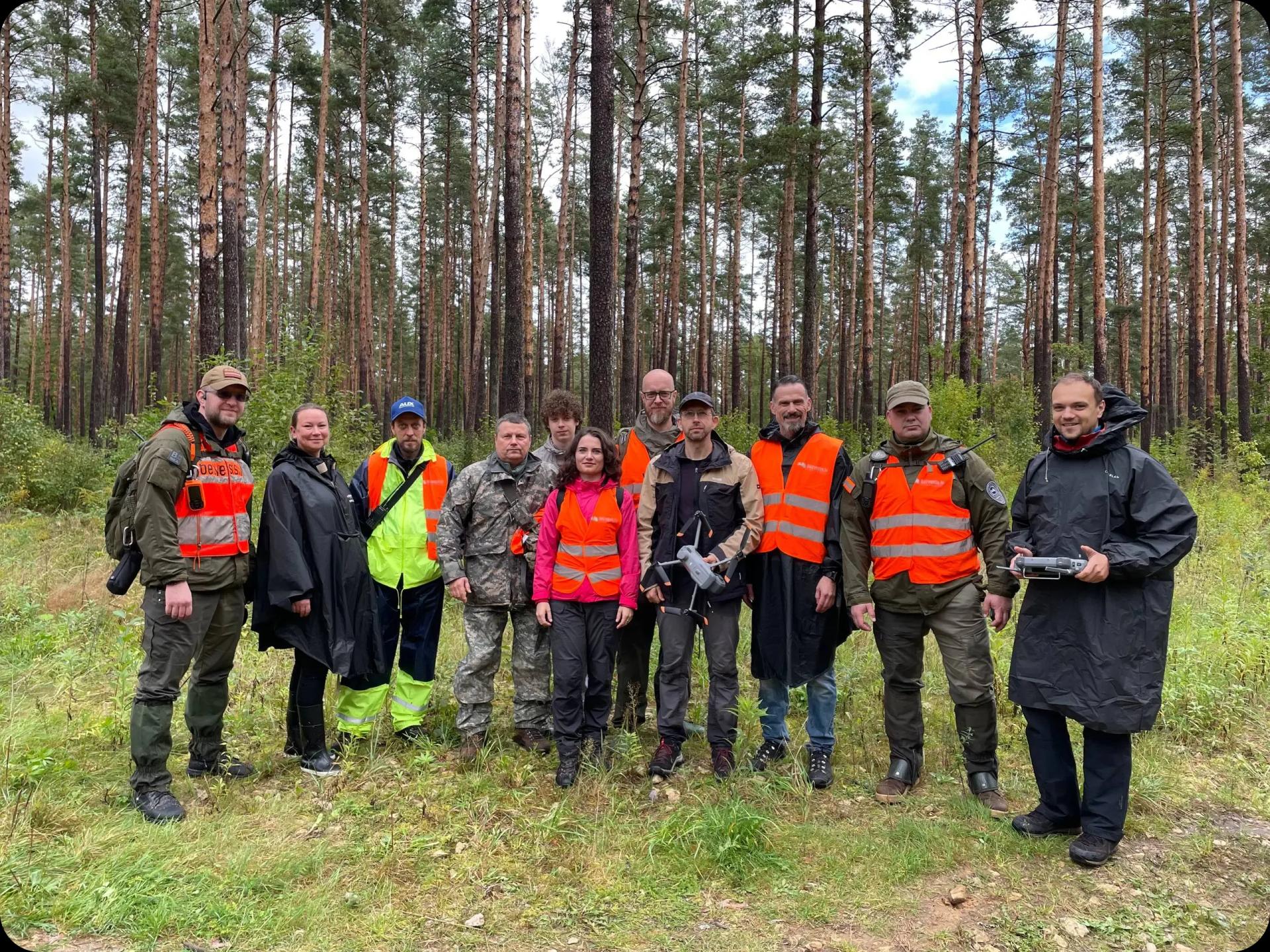
The volunteer organization Bezvests.lv has used it for 7 years, and it has helped find more than 50 people alive. The software has also been used in more than 450 search missions involving numerous participants and search teams, and we are now working to extend its technical capabilities.
Question #2: How did the partnership with Bezvests.lv begin?
The partnership with Bezvests.lv has lasted for several years. It started with the failed search for Ivan Berladin, a four-year-old boy lost in Liepaja. Back then, the story moved the whole nation, including our cofounders.
Bezvests.lv was the organization that searched for the boy together with the police and volunteers. We contacted them to ask how we could help in similar situations and why a thousand people couldn’t find a 4-year-old boy who couldn’t walk far.
The answer was shocking: The main issue and the reason why Ivan Berladin wasn’t found alive was the total lack of visibility into what the search groups were doing. Literally, a thousand people moved chaotically across the terrain, without real tracking of where they went or what strategy they used.
As a result, some spots were reviewed several times, while other spots were left unchecked.
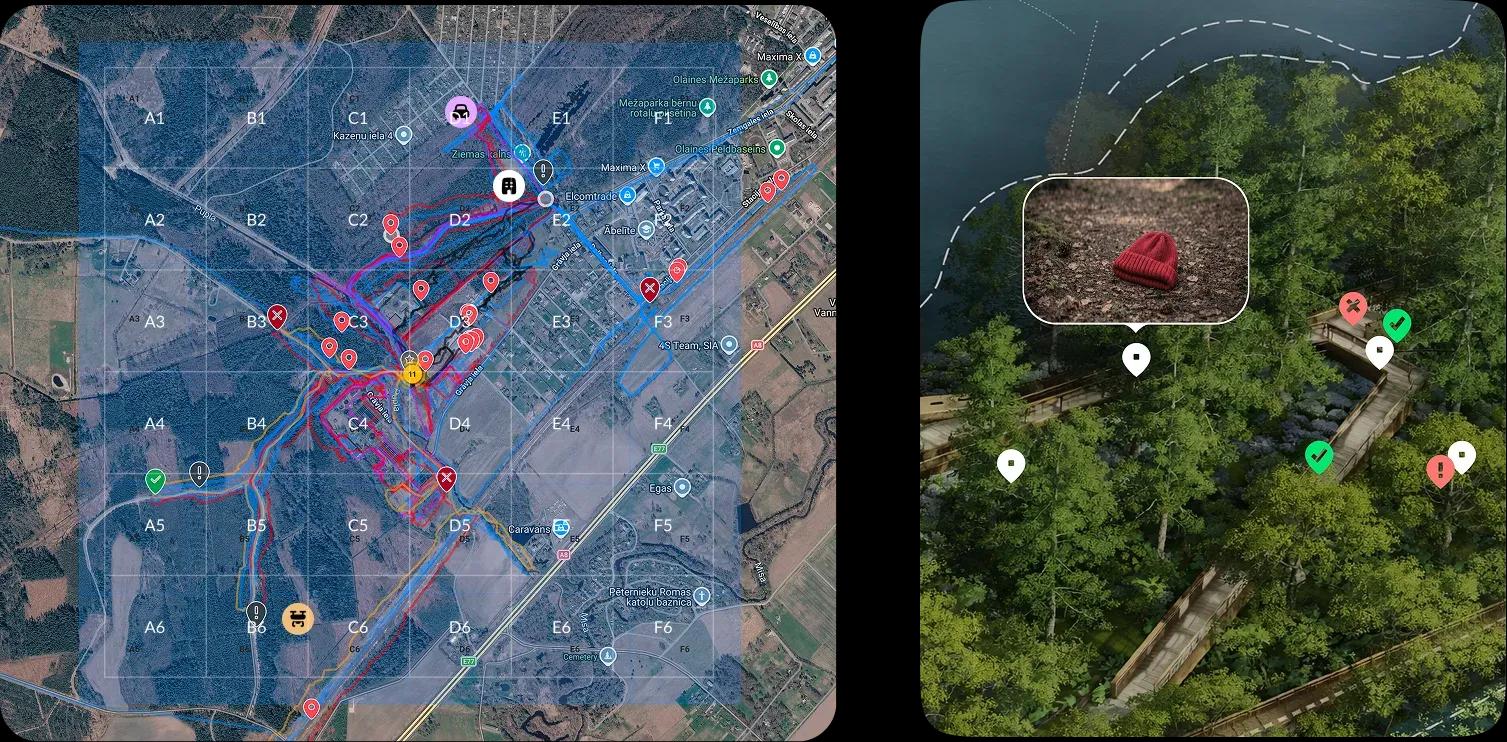
A coordination platform with real-time visibility into where every search unit was seemed like the perfect solution.
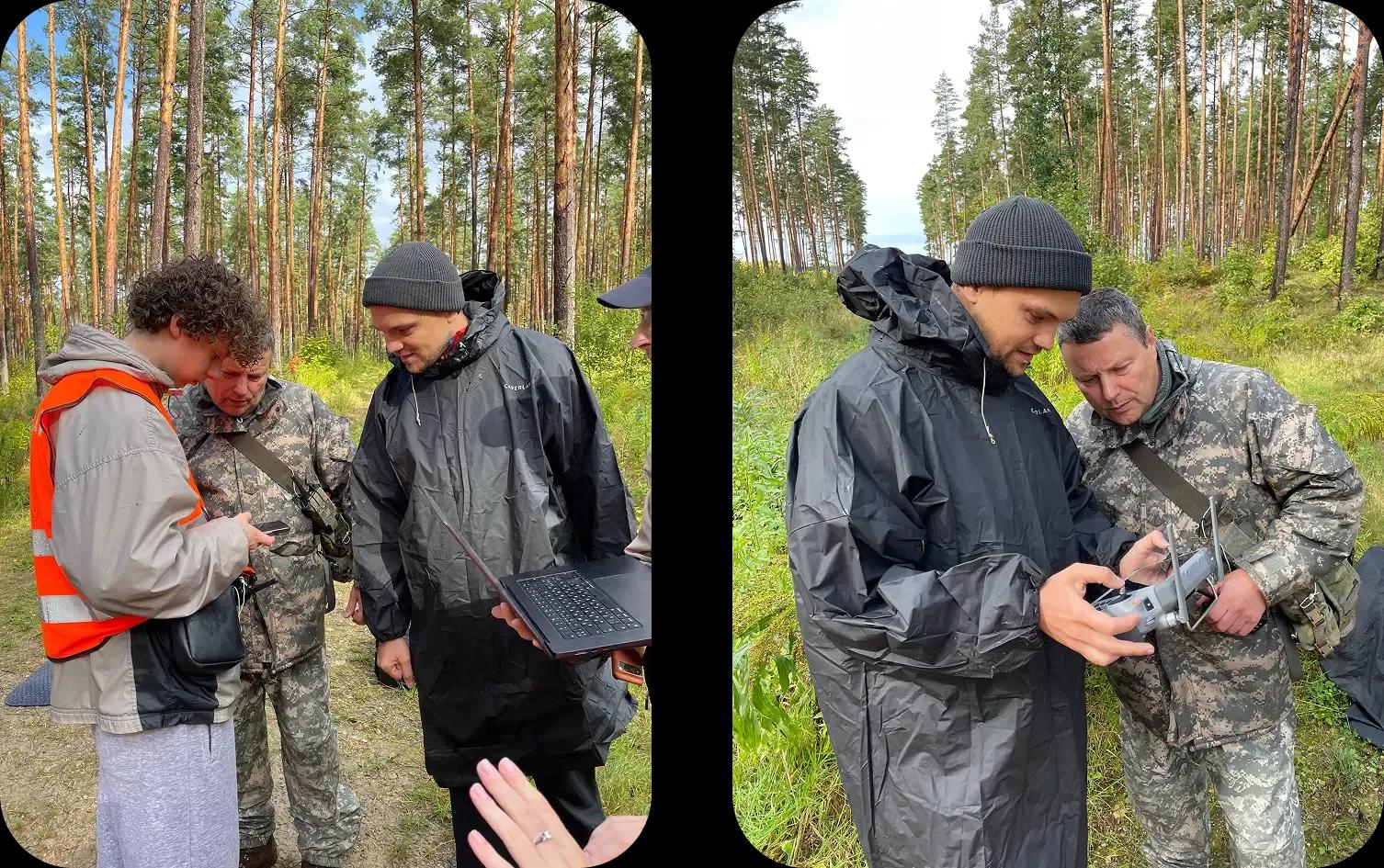
Yet, we didn’t have an understanding of how our idea would work in field conditions. That’s why our engineers joined real rescue operations with Bezvests.lv, learned to sweep territory, go to the woods, test the app in conditions with no connection and no possibility to recharge the battery-powered devices. That experience defined the architecture of the app: we minimized the features that drained battery and made the background processes run offline, sending the data to once the network became available.
Question #3: Why did Chili Labs decide to spend time and resources on the non-profit initiative?
The answer is simple. At the time, the need for the software that could coordinate search-and-rescue missions was pressing. Yet, no one else was going to spend a year of their life developing one for free.
Chili Labs didn’t just take it as non-profit; we also invested a lot. We saw it as an opportunity to test our experience, contribute to the local community, and gain a little karma. We believe if you do something good, something good will happen to you, too. Besides, the Team at Chili Labs working on this project was motivated to do it. They came to work understanding that what they were doing could one day save someone’s life.
During the project, we realized how important the search work of organizations like Bezvests.lv is: they help find kids and elderly people and support other search-and-rescue missions in their communities. We also realized that for relatives who have already lost hope of finding their close ones alive, finding the body of a missing person is also an important closure.
Question #4: What was the most important or rewarding feedback you received from Bezvests.lv and the volunteer community?
The best feedback imaginable was lives saved. We often receive messages from volunteers and organizations using our platform, filled with gratitude. They often say, “We can’t imagine working without your platform,” and these words sound like music to our ears.
Previously, they relied on tons of different, disparate tools. Some of them used Garmin; others relied on Google Maps and GPS trackers. The key tool was radio, but it didn’t give visibility into where volunteers are. Now, they have a tool that unites different features.
So, the biggest reward for us is opening the admin panes and seeing that the platform is used and that someone can be saved with its help.
Question #5: What did the project teach your developers and designers that a typical project couldn’t?
Working on ToTheRescue, we understood that sometimes less matters than more. When you work on a project where the real stakes are people's lives and not just user frustration, you understand that building one feature that works perfectly under any conditions is more important than building a complicated product that has even minor tradeoffs.
With ToTheRescue, we focused on two main things: coordination and data transmission. These two features had to work with no connection, a weak connection, in the forest, and in weather conditions that drain device batteries.
So, our task was to create an app architecture that collected data on where you went, even when you were offline, and sent that data to the central platform the second the connection was restored. Otherwise, the product would be useless.
Our task was to make sure that feature worked really well no matter what, and we learned to sacrifice other features that weren't that important.
Question #6: Was there a particular rescue or volunteer experience that made the project especially meaningful to you?
When we started working on ToTheRescue, one of our colleagues, Andrei, went missing. His parents called us, and we contacted Bezvests.lv to search. We gathered police, firefighters, and volunteers. It was the first time we installed our app for more than 200 people.
Yet, despite the team's size and improved coordination, we still couldn't find Andrei. We still don’t know what happened to him.
It was a terrifying experience, because when you develop software, you realize it will be used for missing-person searches. Still, you imagine it would happen to someone else, not one of your friends.
At the time, we understood that having a platform and a lot of people is not enough when the territory to cover is too vast. That is why we decided to invest heavily in robotics and drones, so if a situation like that happens again, we're fully ready to respond.
Question #7: Which user request had the biggest impact on the ToTheRescue roadmap?
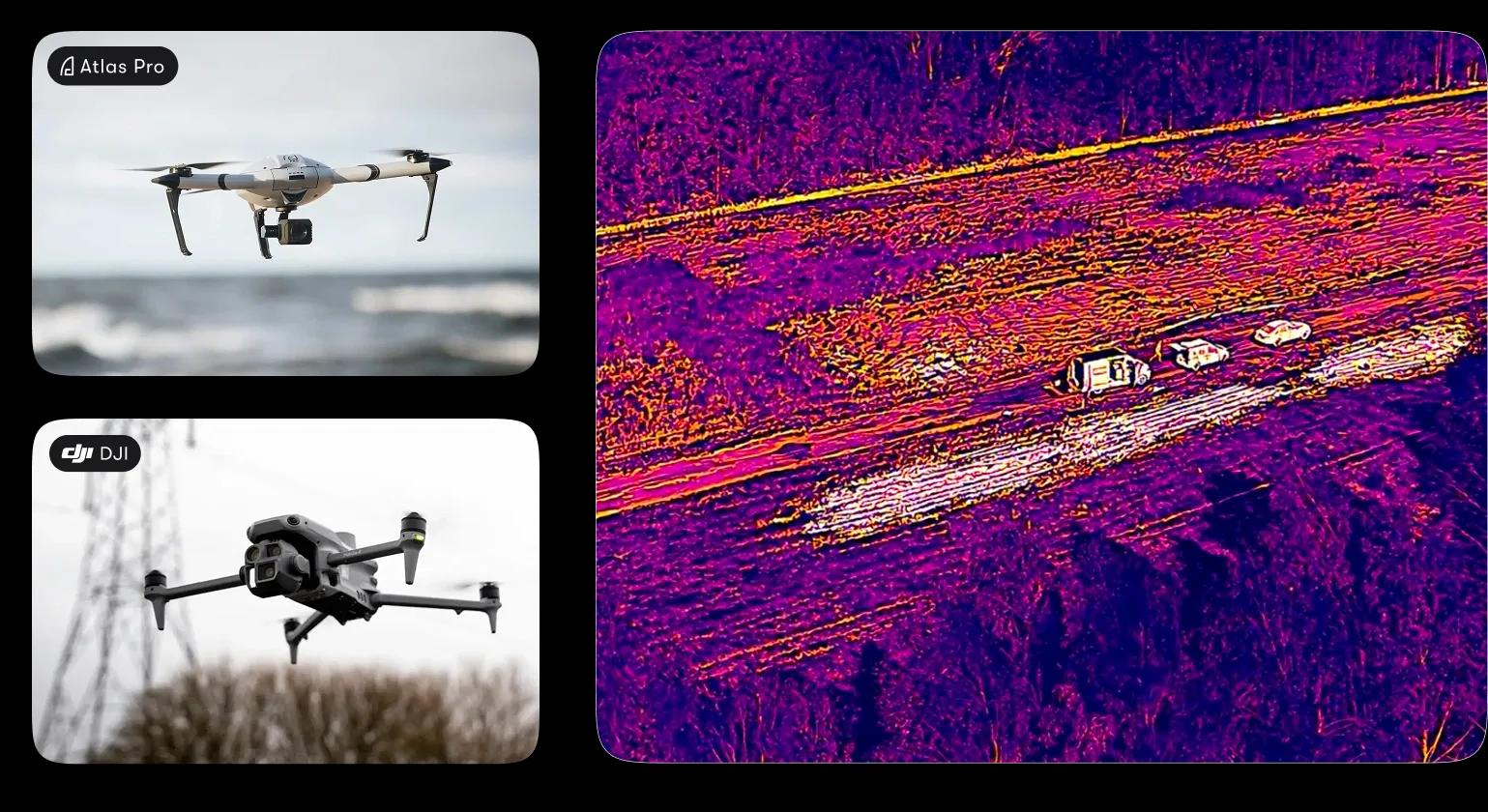
The most impactful request was drone integration. That feature really expanded ToTheRescue's possibilities. Drones are autonomous or semi-autonomous, cover huge distances, and can have speakers.
Bezvests.lv shared that they noticed elderly people who get lost tend to move toward the source of sound. So, drones equipped with speakers, light, and heat cameras can make a huge difference in such situations.
The second impactful feature requested was the predictability of coverage – it means that if we have groomed the forest, we need to calculate how covered this square was in fact and whether any spots are missing.
Question #8: Which upcoming feature are you most excited about?
The most exciting upcoming feature is integration with a wider variety of drones. Currently, ToTheRescue integrates with NATO-certified ATLAS drones, but they are expensive and not affordable for most volunteer organizations. To fix this isue our team is making sure that lower-priced variants, such as the MAVIC 4, are also compatible. They can carry thermal cameras and, while integrated with ToTheRescue, they will make drone searches for lost people more affordable.
Further, we plan to integrate the platform with underwater drones and other tech tools that will help when finding people in lake and forest areas.
Question #9: Could AI play a meaningful role in the platform, and where would you use it?
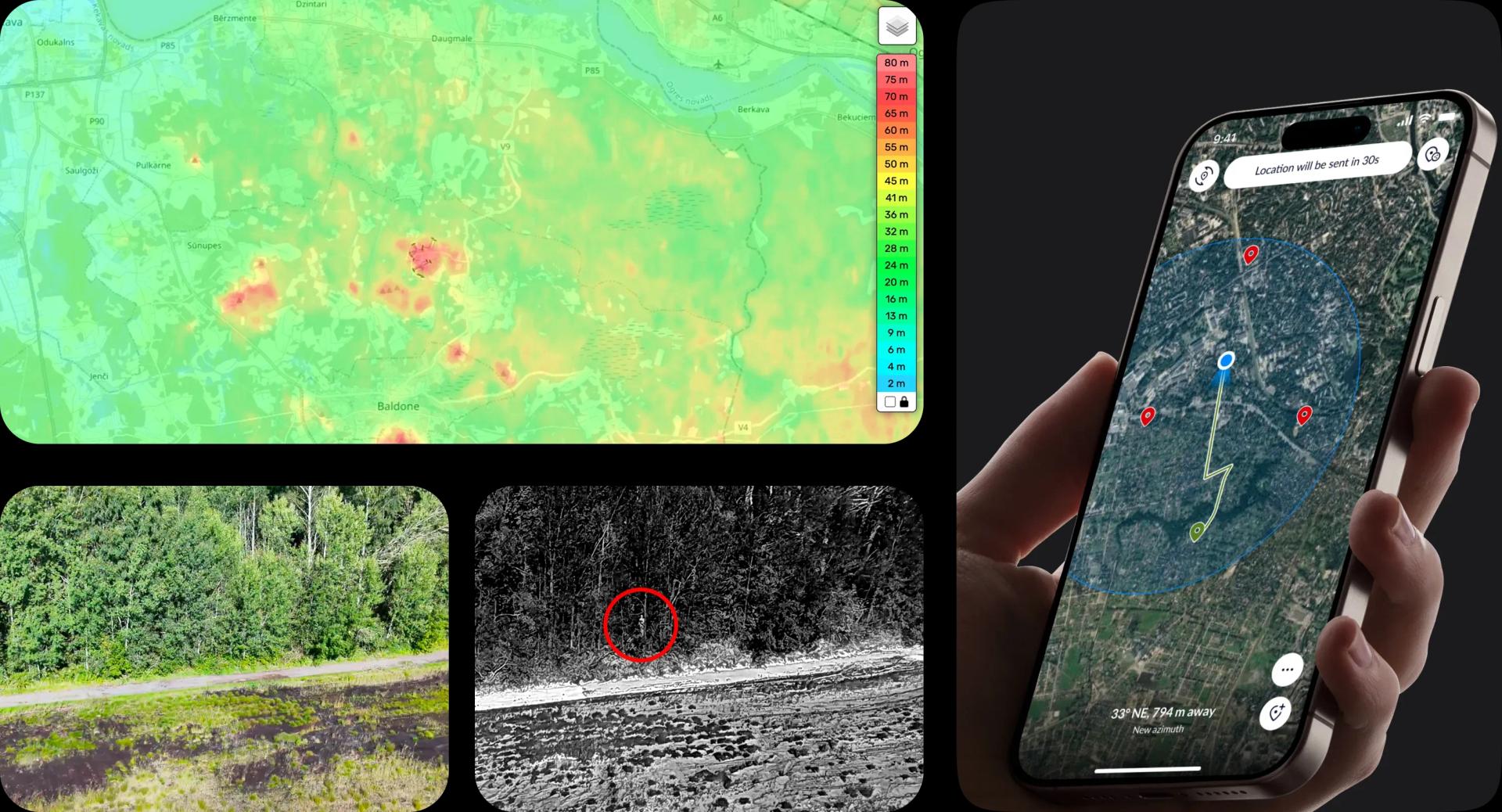
As mentioned, AI could help with coverage predictability: since we have a lot of data from phones and trackers, we can see whether some spots were fully checked.
Another feature will be predicting blind spots. Currently, we use GPS maps, but we are moving to using terrain maps that show tops and bottoms. A person could fall from a cliff into a pit, and this area may have been covered in the search but not thoroughly checked. We hope to detect these places with AI and then distribute tasks between drones and human groups.
Question #10: Could ToTheRescue eventually become useful outside of Latvia?
The initial plan is to use ToTheRescue for various purposes. For example, it can coordinate firefighting missions, border patrol missions, Alpine search, rescue missions, and more.
With further integration of modern technology, such as more affordable drones, AI and GPS patches, ToTheRescue can be easilly adapted to any region-specific cases and needs. We have covered some of the possible use cases in this article, and it is definitely not the limit.
Generally, ToTheRescue have already proved it's usability in Latvia, and we continue to develop and improve the platform, hoping it will help save many more lives around the globe in the future.
Similar articles
Discover more with our related articles section. Stay informed about mobile app development, event organizing, and more.
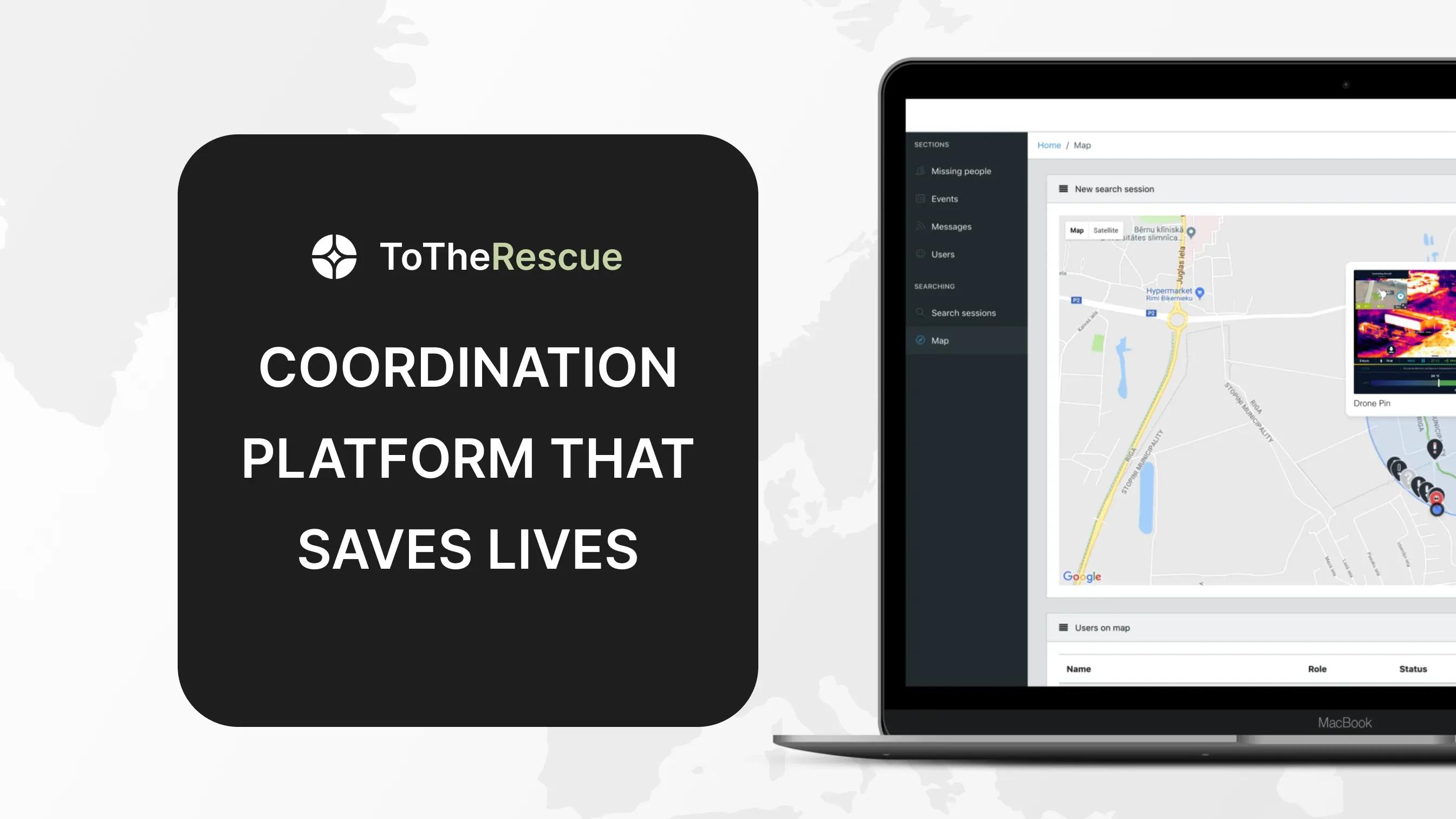
ToTheRescue SAR Tracking Platform Use Cases
From Missing Person Search to Natural Disaster Response and Military SAR Operations...
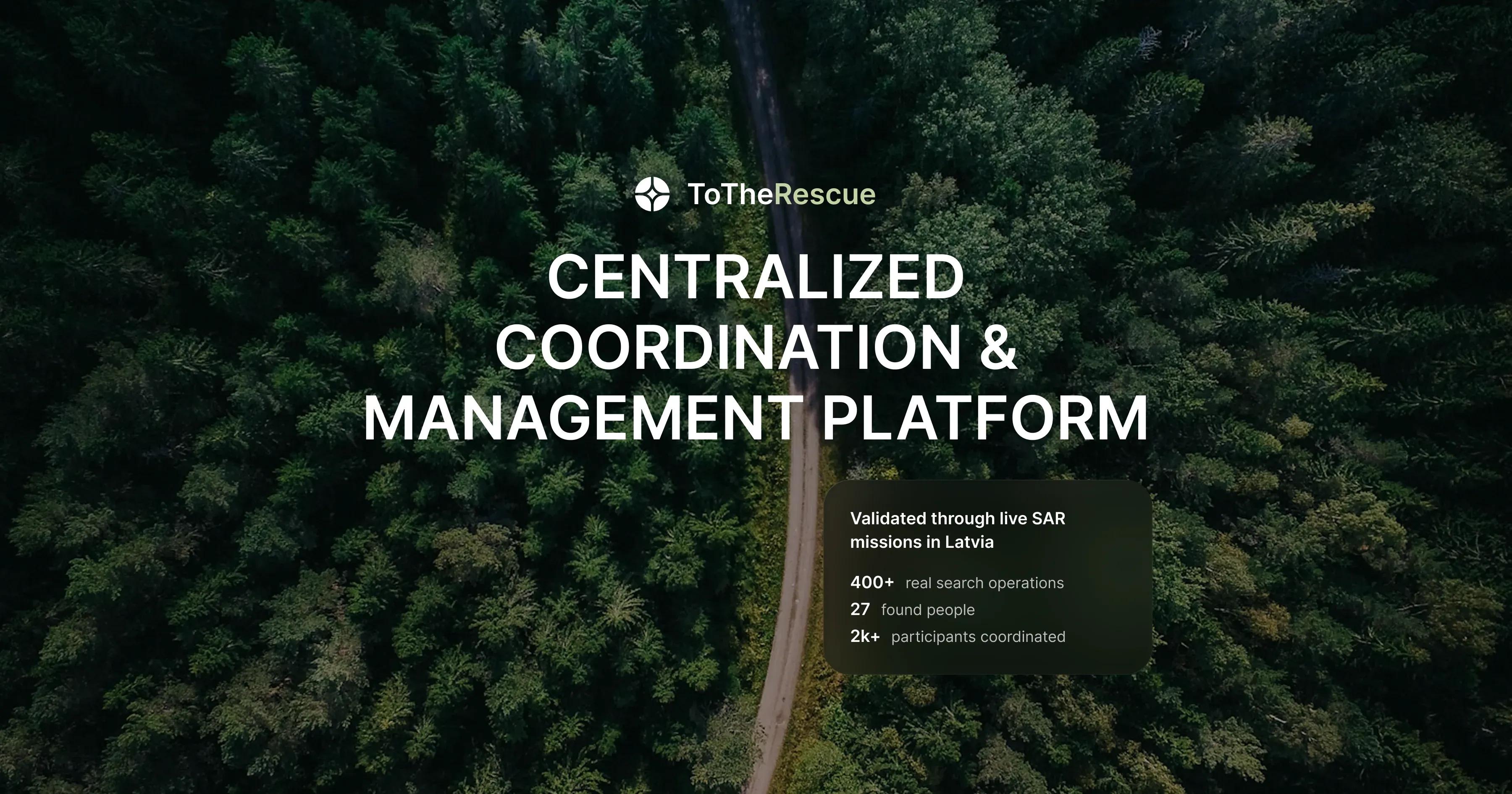
ToTheRescue – A SAR Platform to Save Lives
Learn more about ToTheRescue and what features make it a one-stop solution for government, humanitarian, and commercial organizations searching for...